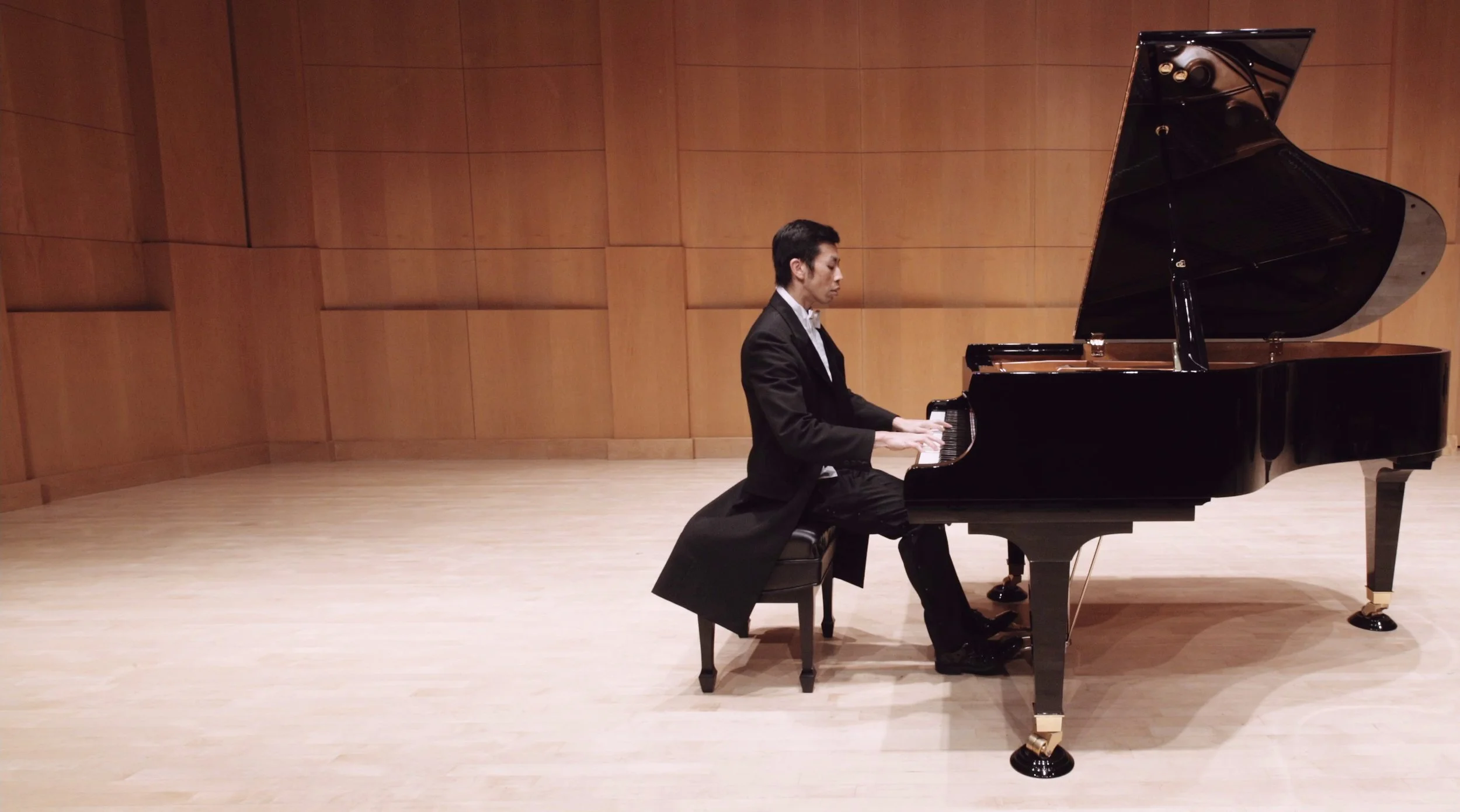
THE FIRST PIANIST TO GAIN INTERNATIONAL RECOGNITION FOR PLAYING VIDEO GAME MUSIC ON THE PIANO. (CLEVELAND.COM)
DMA (USC) • MM (Yale) • BM (CIM) | First-Prize Liszt Laureate | Established 2004 Pioneer
Sonic Architect.
Bridging classical conservatory rigor with the defining soundscapes of video game history since 2004.
The Art of the Score.
The Art of the Score.
Bridging classical conservatory rigor with the defining soundscapes of video game history since 2004.
DMA (USC) • MM (Yale) • BM (CIM) | First-Prize Liszt Laureate | Established 2004 Pioneer




PERFORMED IN 17 COUNTRIES | 100K+ TOTAL AUDIENCE ATTENDEES | U.S. BILLBOARD TOP 10 DEBUT
45M+ VIEWS • 100K+ LIVE AUDIENCE • 17 COUNTRIES • TWO BILLBOARD TOP 10 ALBUMS
THE GENESIS OF A MOVEMENT
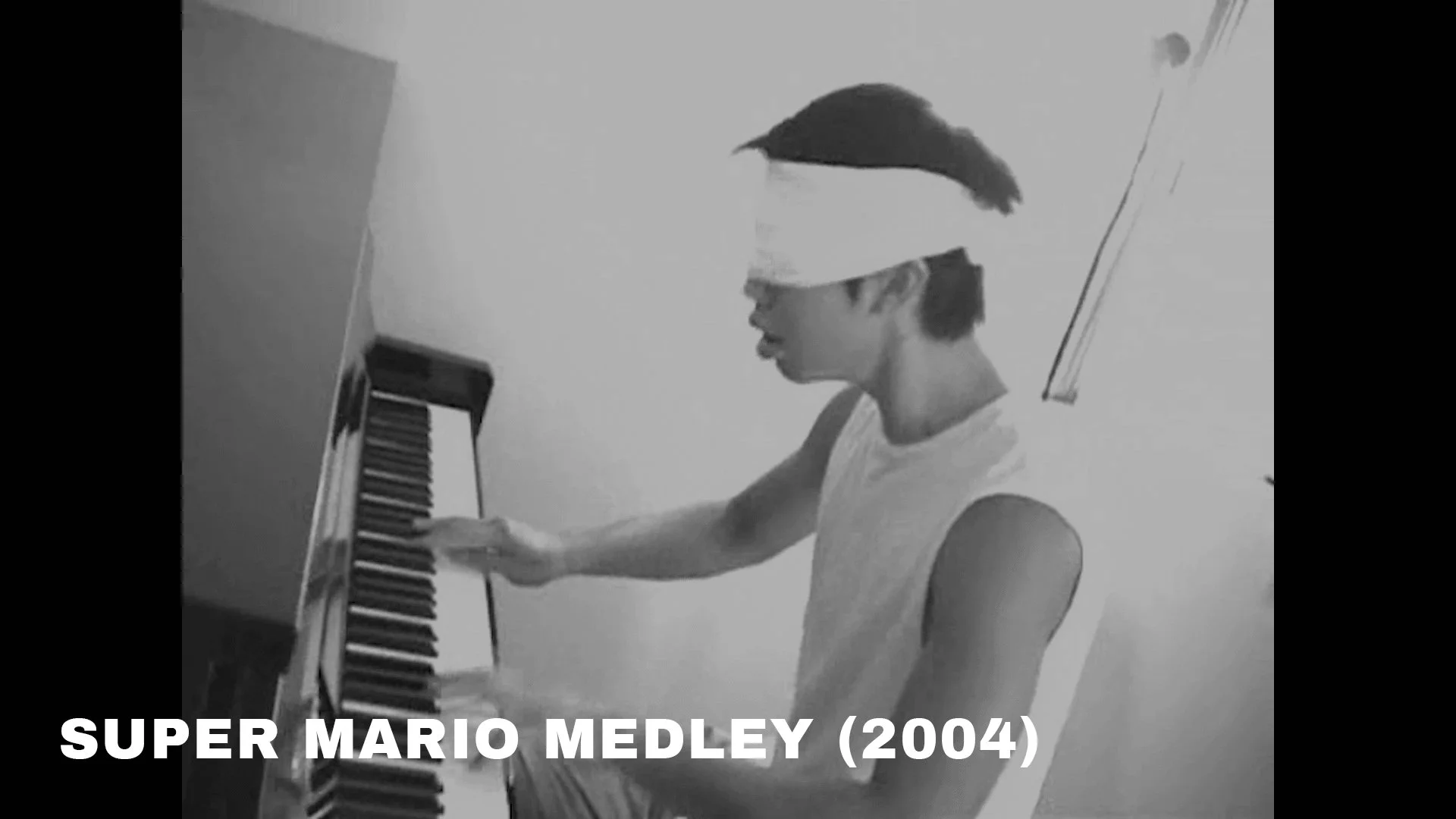
Long before video game music was celebrated in classical concert halls, there was the blindfolded Super Mario Medley, performed by Martin Leung at age 17, and filmed in one take by Luigi Leung (a high school friend, no relation) in a Southern California apartment.
In 2004, that viral moment didn't just break the pre-YouTube internet—it sparked a global movement. At a time before any platform existed for sharing performance videos online, that single clip spread worldwide: featured on eBaum's World and gprime.net and other college humor websites, passed hand to hand through the inboxes, forums, and AIM and ICQ windows of the early-2000s internet. And it did it all in the age of dial-up, when video barely moved online at all—yet it traveled anyway, becoming a blueprint for a wave of creators who would soon bring gaming soundtracks to acoustic instruments.
At a moment when game music performance meant bands in a niche scene, Martin Leung globalized the concept of the solo artist at the piano. As the Sudbury Symphony's program notes later put it, these were “vanguard performances of video game music before it was popular to do so … Before his invention, there was no accepted label for what he was doing."
The video became a blueprint. One critic called Leung “the gold standard in a shockingly large kingdom of Internet‑only Super Mario tributes." And in 2007, he met Koji Kondo — Mario's composer — and Shigeru Miyamoto, and performed the music in their presence at the Game Audio Network Guild Awards.
RECOGNIZED IN THE SUPER MARIO BROS. MOVIE (2023)
When the Super Mario Bros. Movie premiered in 2023, music analysts and Mario fans recognized the piano duet scene matched a section of the Underworld Theme in the 2004 Super Mario Medley, including specific sound effect sequences and a matching harmonic choice created nearly two decades prior. The work had become so foundational within the Mario community that its influence reached the filmmakers themselves.
FEATURED IN YOUTUBE'S OFFICIAL MARIO DOCUMENTARY
On 5 April 2023, YouTube released “Celebrating The Mario Community & 100 BILLION Views," an official documentary narrated by content creator Scott Wozniak. Among the countless Mario videos spanning decades, the 2004 Super Mario Medley was selected as a defining moment in the community's history.
“Well, we can go back to some of the earliest Mario videos I remember seeing [Super Mario Medley video plays]." — Scott the Woz
This recognition is remarkable in context: a new Mario video uploads to YouTube every 20 seconds. Over 2 million channels have uploaded Mario content, with more than 2,000 channels exclusively dedicated to Mario. Yet the 2004 Super Mario Medley remains one of the videos that defined the era—a work so foundational it stands out across nearly two decades of continuous community output.
A COMMUNITY HE HELPED INSPIRE
What began with a single blindfolded performance has grown into something far bigger than one pianist. Today, a whole generation of performers, teachers, and music directors bring video game music to the piano — and many of them point back to those early days as the moment they realized it was possible.
“Once I saw video game pianist Martin Leung play a Super Mario medley blindfolded around 2004, I realized playing the music from video games on the piano was totally possible. After that, I started practicing video game music on the piano vigorously." — Kyle Landry, in Kotaku
“It was not until I came across a video online of someone who called himself the Video Game Pianist … that I realized I could play music from my favorite video games on piano. Through the Video Game Pianist … I discovered the music of Franz Liszt, Frédéric Chopin and Felix Mendelssohn, and realized I loved classical music." — pianist Ryan McGaughey, via Stephen F. Austin State University
The Gamer Symphony Orchestra at the University of Maryland was founded after its creator was inspired by Video Games Live and the Video Game Pianist. Leung considers it one of the great joys of his career that the art form he loves now has so many voices — and he remains proud to have been among the first to carry it onto the concert stage.
As the original Video Game Pianist™, Leung pioneered a new era of live performance, taking the defining soundtracks of a generation out of the console and onto the world's most prestigious stages. From performing in Video Games Live tours across 17 countries to contributing to albums that debuted on the U.S. Billboard Top 10, Leung has redefined what's possible at the intersection of popular culture and classical performance. His work demonstrates that performing video game music—like all great music—is rewarded by rigorous study, artistic depth, and the concert stage.
NOT A NOVELTY — A MUSICIAN
The blindfold got the clicks. The training is the career.
“A brilliant pianist." — The Times (London)
“Brought down the house with his signature blindfolded performance of the theme from Super Mario Brothers." — The New York Times
“One of the first musicians worldwide to achieve international fame with his renditions of video‑game music." — Flare
Dr. Leung’s classical credentials include: Carnegie Hall debut at 16 (Mendelssohn, Isaac Stern Auditorium). First prizes at the Los Angeles International Liszt Competition (1998, 2000); 2004 Los Angeles Philharmonic Kaper Awards; 2008 CIM Concerto Competition; 2012 USC Concerto Competition. Concerto soloist with symphony orchestras across North America and Europe — including Liszt's Piano Concerto No. 1 at the Leipzig Gewandhaus.
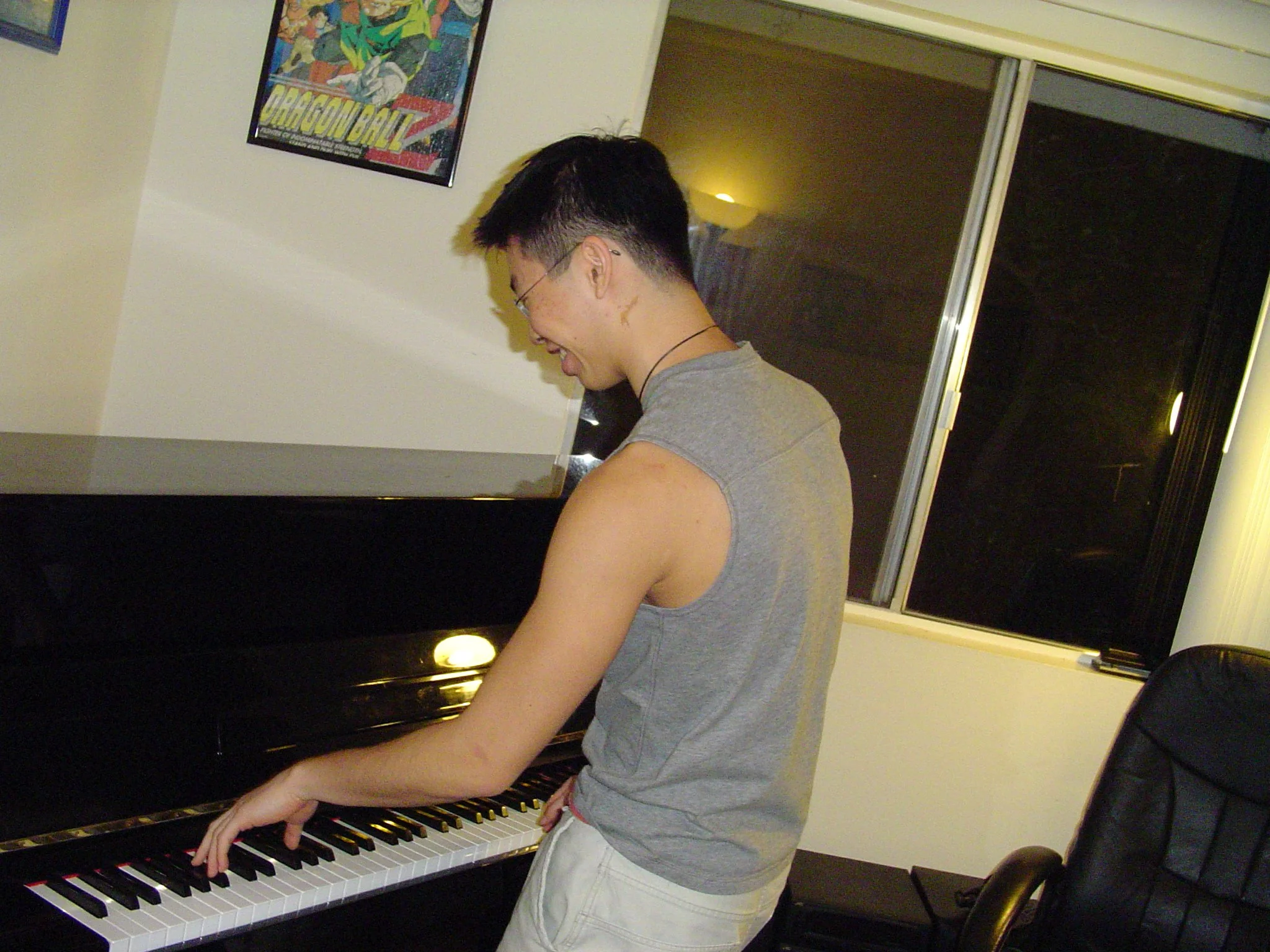
At Luigi’s piano. Southern California, 2004.
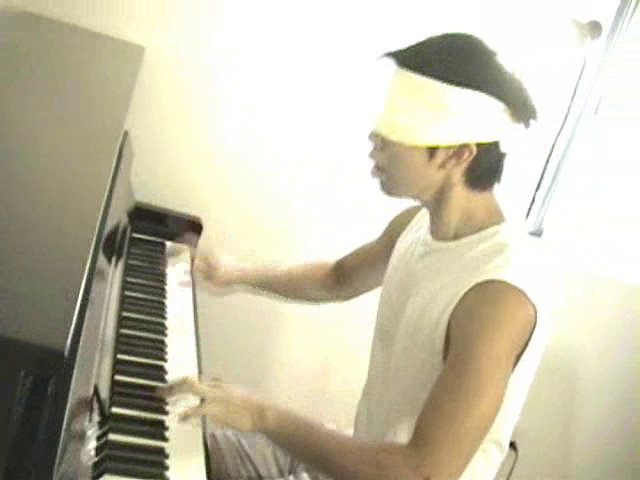
“Super Mario Medley”, 2004.
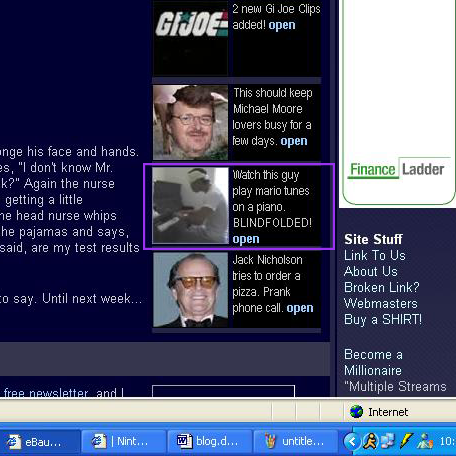
Featured on eBaum's World homepage, 2 July 2004.
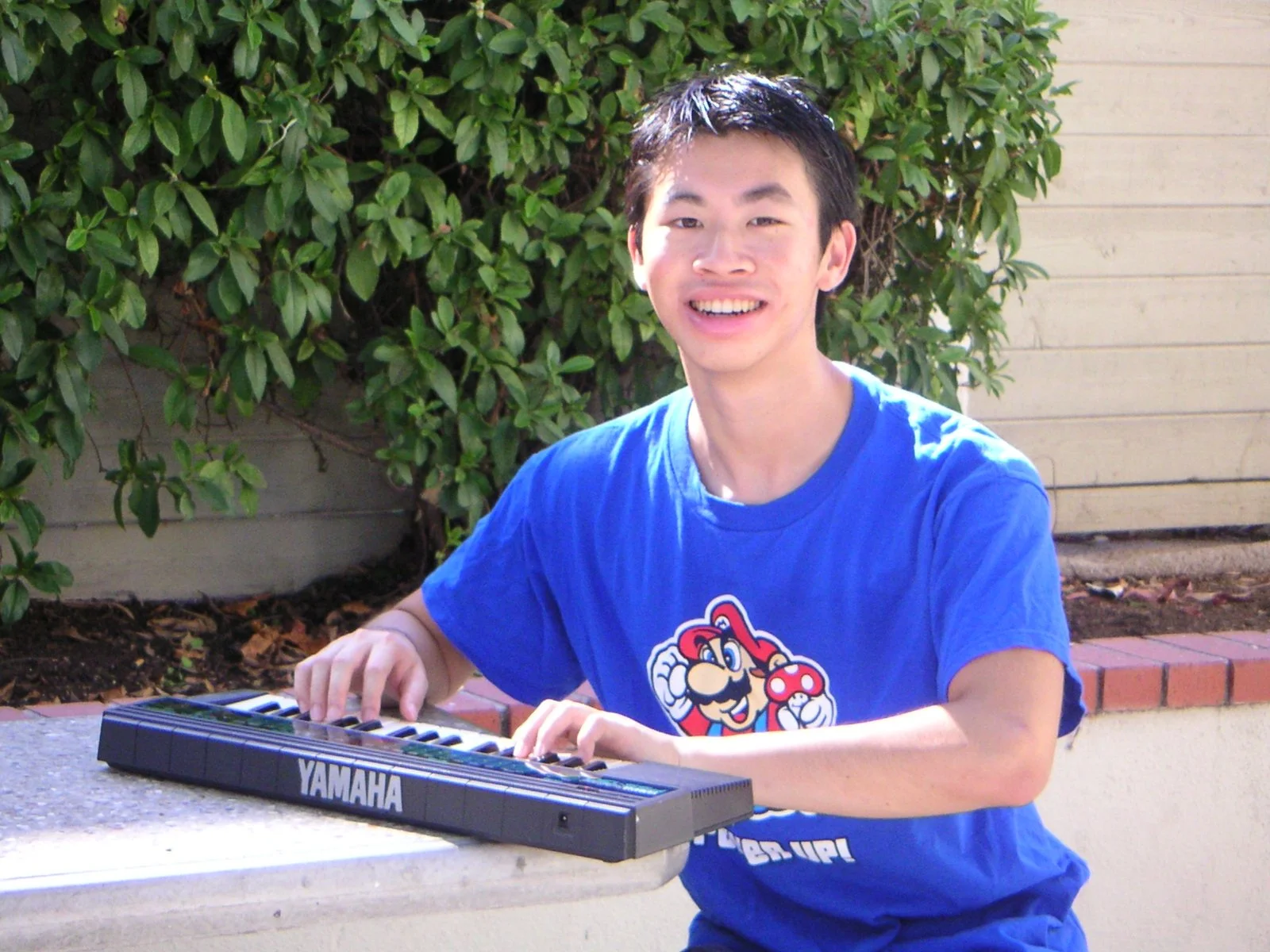
Power-up. Outside the apartment, 2004.
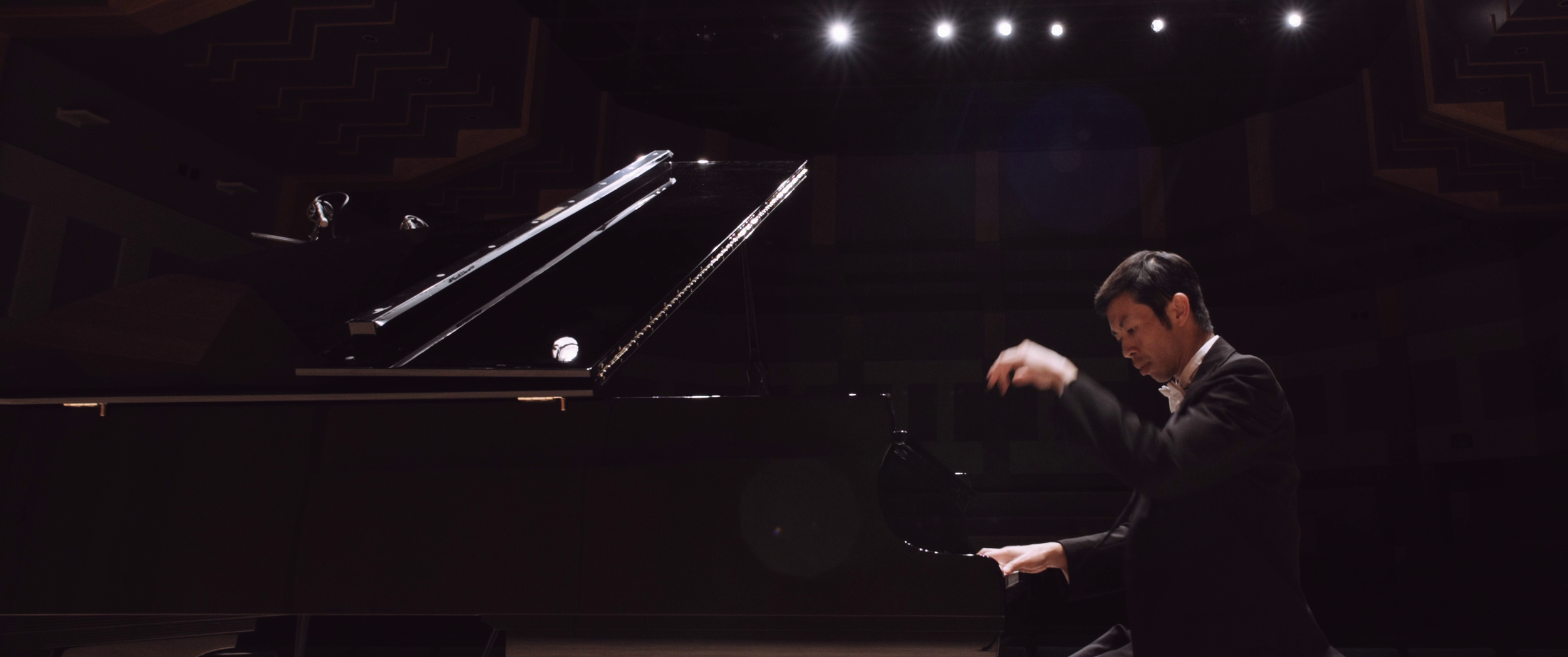
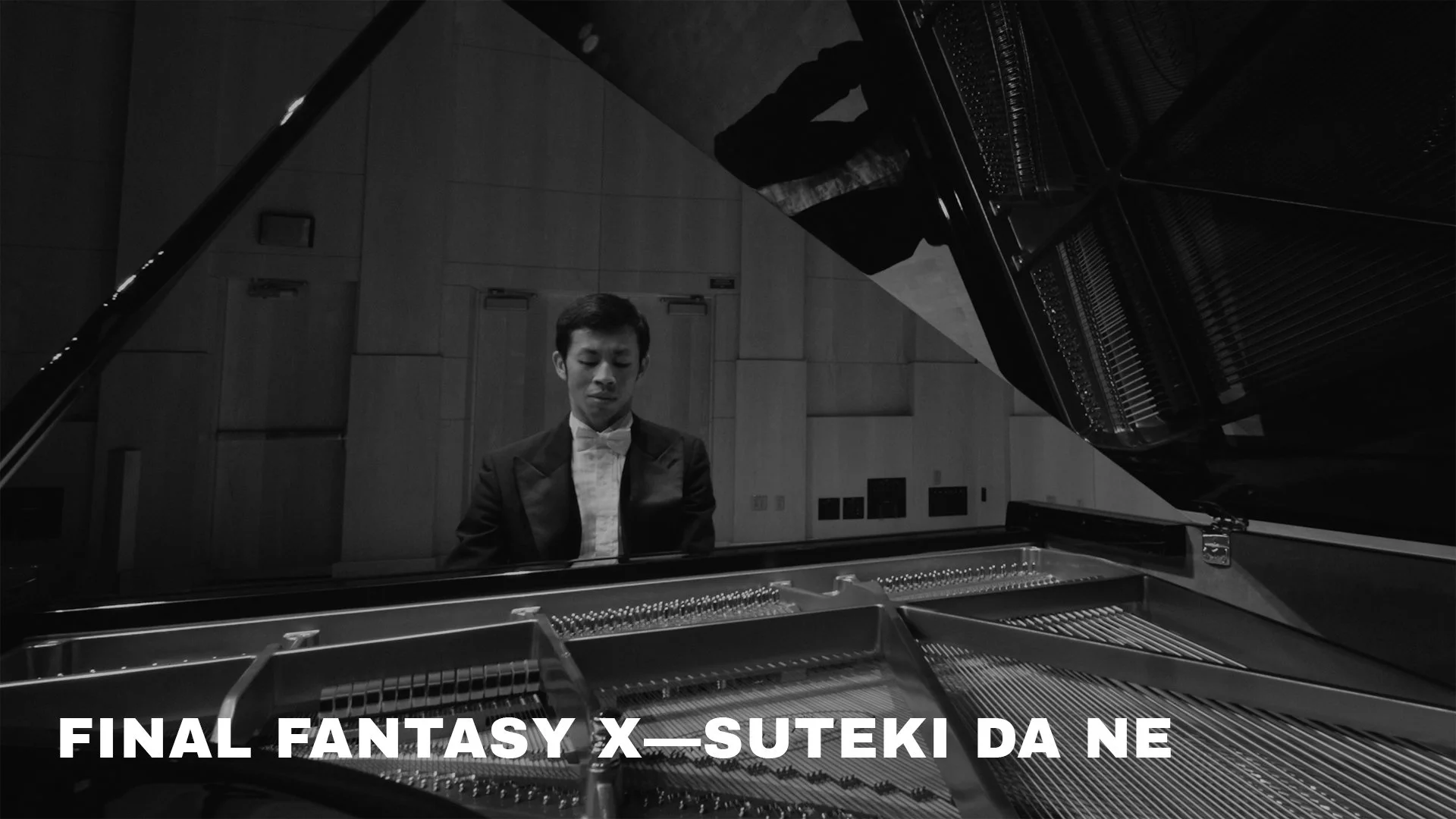
FEATURED PERFORMANCES
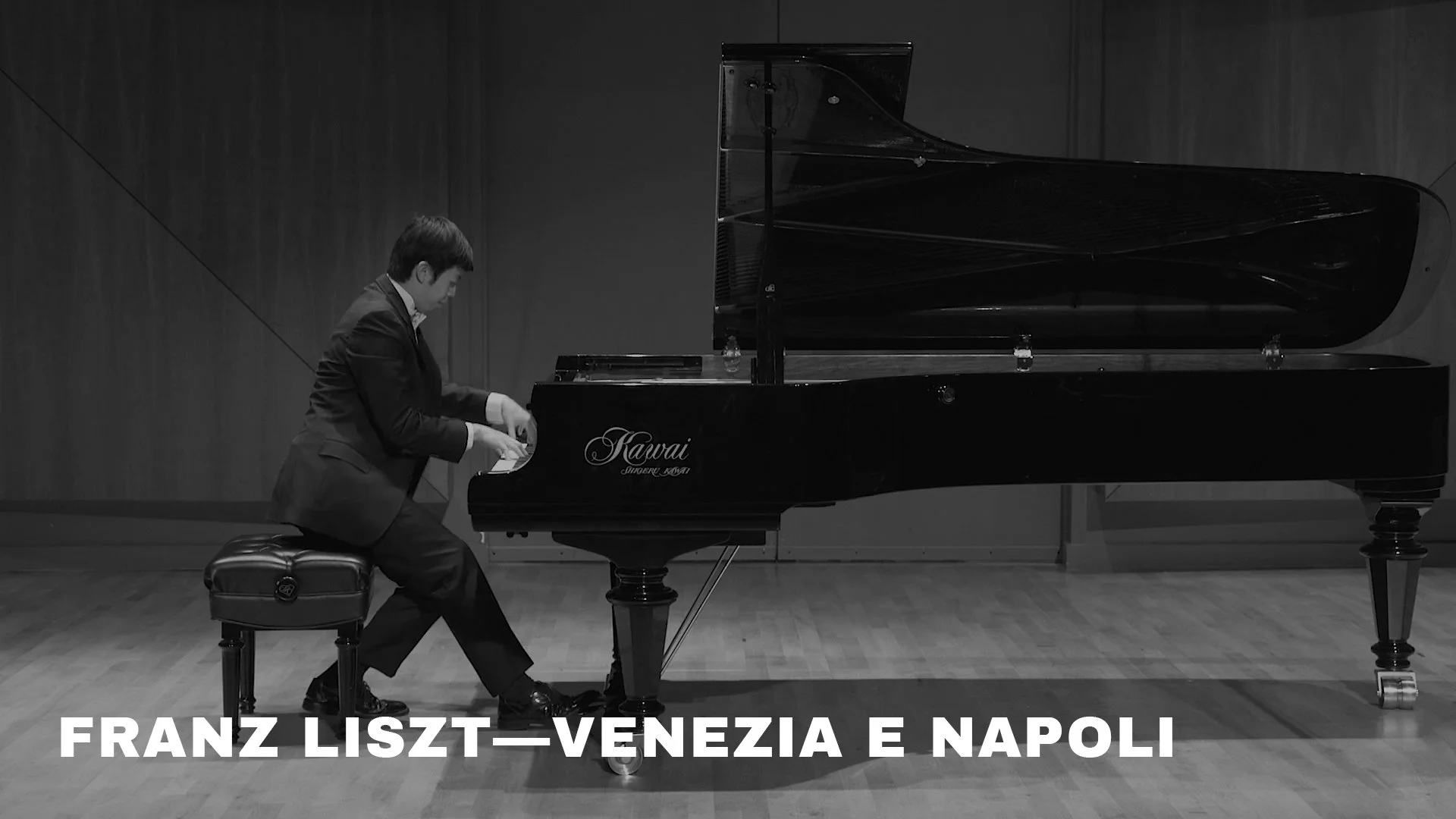
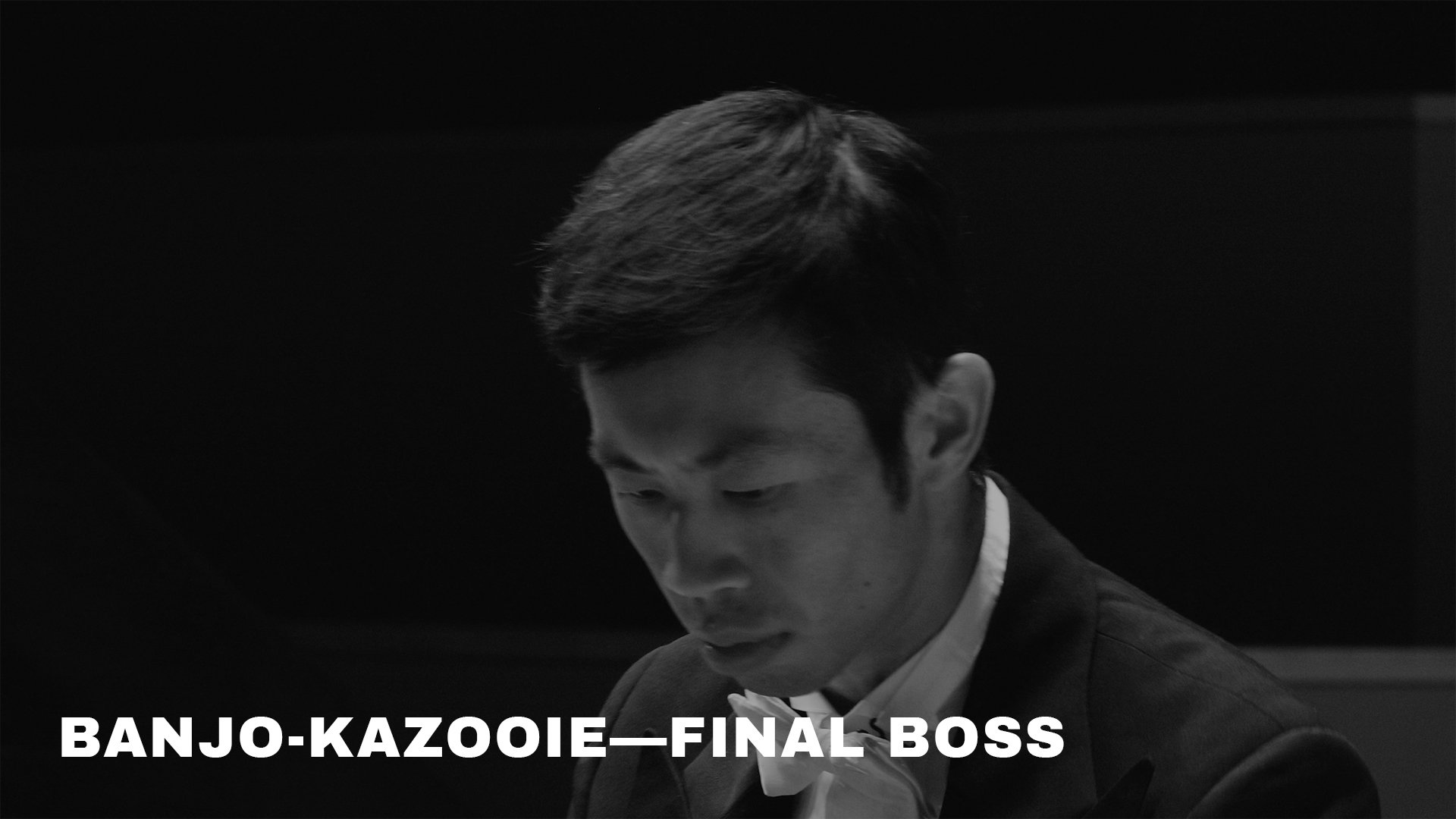
INQUIRIES FOR PERFORMANCES, SPEAKING ENGAGEMENTS, MASTERCLASSES, AND TEACHING